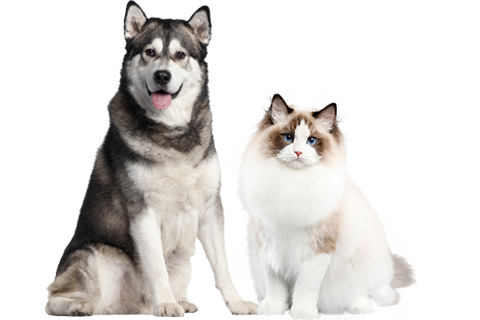
To determine whether a pet needs tear stain removal, observe the eye and surrounding features, and make a comprehensive judgment based on potential contributing factors
Hair discoloration around the eyes: Brownish-red or brown deposits appear beneath the eyes or on the bridge of the nose, particularly noticeable in white or light-colored pets, and persistently recur even after daily cleaning.
Abnormal secretions: Increased eye discharge that is thick, brown, and crusty, or accompanied by discomfort such as redness, frequent blinking, or scratching the eyes
If the above symptoms occur, they can be further confirmed by considering the following common causes:
Dietary Issues: Long-term consumption of high-salt foods, low-quality grains, or allergies to food components (such as beef and cereals) may lead to abnormal tear secretion.
Genetic or structural factors: Brachycephalic dogs (such as French Bulldogs and Pugs) and flat-faced cats (like Persian cats) are prone to tear stains due to their narrow nasolacrimal ducts; some breeds also have congenitally overdeveloped tear glands.
Health Risks: Pathological tear stains may be caused by eye infections (such as conjunctivitis), nasolacrimal duct obstruction, and allergic reactions (e.g., pollen, dust mites), requiring prompt medical evaluation.
If tear stains persist despite daily care, you can use a gentle tear stain removal product (such as Bioline Tear Stain Remover) for supplementary cleaning. Bioline Tear Stain Remover is specifically designed for pets, offering mild cleaning to remove tear stains and reduce eye discharge buildup, suitable for dogs, cats, and small pets.